
Spray Nozzles for Chemical Industry
Spray nozzles are important components in chemical processing systems where liquid application must be controlled, consistent, and suitable for the process. In the chemical industry, nozzles are used for spraying, cooling, washing, coating, rinsing, humidification, chemical dosing, and liquid distribution. The right nozzle helps improve spray performance, reduce chemical wastage, and support smooth operation in demanding plant environments.
In many chemical applications, process performance depends on how accurately the liquid is sprayed. Uneven distribution, incorrect droplet size, or poor nozzle selection can affect product quality, process efficiency, and equipment reliability. That is why selecting the right spray nozzle is important for maintaining stable operation and achieving better long-term results in chemical plants.
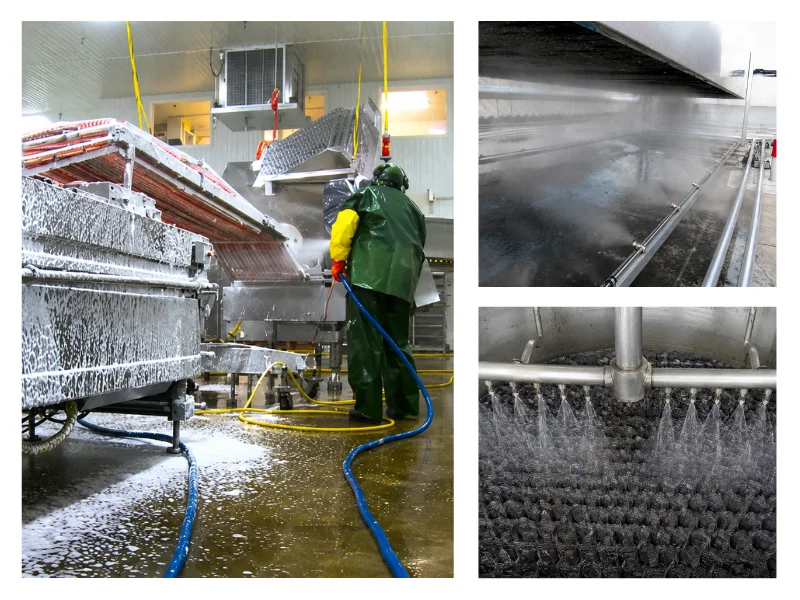
Why Spray Nozzle Selection Matters in Chemical Processing
Chemical plants often work with different types of liquids, operating pressures, temperatures, and process requirements. A spray nozzle should not be selected only by size or appearance. It must match the actual application, liquid characteristics, required spray pattern, and working condition.
A properly selected nozzle helps improve coverage, maintain flow control, and support effective liquid application. It can also help reduce clogging, lower maintenance needs, and improve the overall efficiency of the system. In chemical processing, the right nozzle supports both production quality and operational reliability.
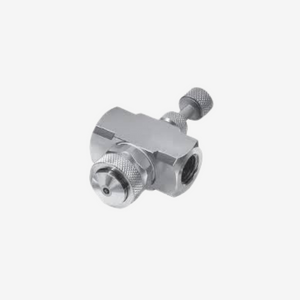
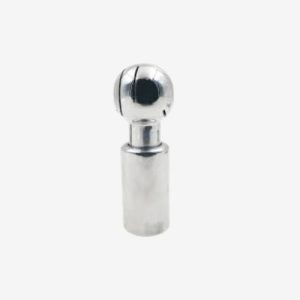
Types of Spray Nozzles for Chemical Industry Use
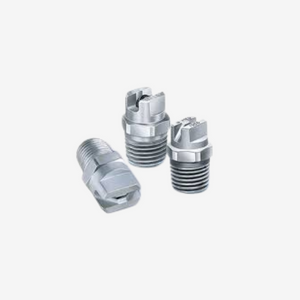
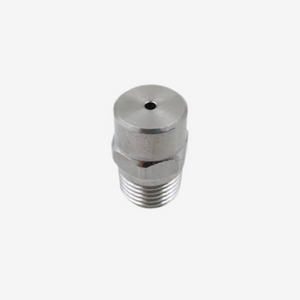
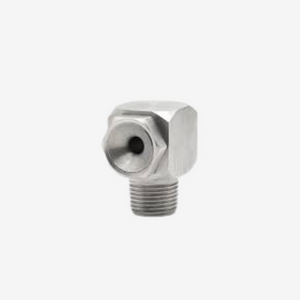
Different spray nozzles are designed for different purposes. The right nozzle depends on whether the application requires wide coverage, direct impact, fine atomization, or uniform liquid distribution.
Applications of Spray Nozzles in the Chemical Industry
Spray nozzles are used across many stages of chemical manufacturing and process handling. Different applications need different spray performance, which is why nozzle type and material selection are important.
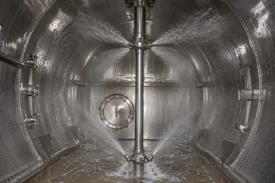
Tank and vessel washing
Chemical dosing and spraying
Reactor spraying
Coating and surface treatment
Gas cooling and quenching
Rinsing and process cleaning
Scrubber systems
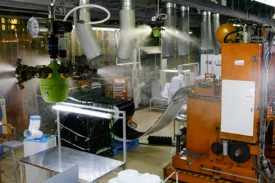
Humidification and conditioning
Packed tower liquid distribution
Process wetting applications
Benefits of Using the Right Spray Nozzle in Chemical Plants
Using the correct spray nozzle offers many practical advantages in chemical processing systems. It helps improve spraying accuracy and makes the process more efficient, controlled, and reliable.
Improved spray uniformity
Better process control
Reduced chemical wastage
More effective liquid distribution
Improved operational efficiency
Lower maintenance frequency
Better resistance to corrosion and wear
Longer nozzle service life
Reliable performance in continuous use
Important Factors to Consider Before Choosing a Spray Nozzle
Spray Pattern
Select a spray pattern that provides proper coverage for the application.

Chemical Compatibility
Use nozzle materials that can withstand the chemical media.
Droplet Size
Choose the right droplet size for effective spray performance.
Clog Resistance
Prefer nozzles that reduce clogging and support reliable operation.
Flow Rate
Match the flow rate with the process requirement.

Maintenance and Service Life
Choose nozzles that are easy to maintain and offer long service life.
Operating Pressure
Ensure the nozzle is suitable for the system pressure.
Why Choose Us for Chemical Industry Spray Nozzle Solutions
We provide spray nozzle solutions for industrial applications where performance, durability, and application suitability matter. Our range is selected to support chemical processing requirements with better spray control and dependable operation.
Quality nozzles for industrial applications
Durable material options for demanding use
Support for choosing the right nozzle type
Application-based product guidance
Customization support for specific requirements
Bulk order supply capability
On-time delivery across India
Practical solutions for long-term performance
FAQs- Chemical Processing Nozzles
What is the purpose of a spray nozzle in chemical processing?
A spray nozzle helps control how liquid is distributed in chemical applications such as cooling, washing, dosing, and coating.
Why nozzle material important in chemical applications?
The right nozzle material helps resist corrosion, improve durability, and ensure safe performance in aggressive chemical environments.
Which spray pattern is suitable for uniform liquid distribution?
Full cone spray nozzles are commonly used when uniform liquid distribution is required.
Are spray nozzles suitable for high-temperature chemical processes?
Yes, special material spray nozzles like stainless steel can handle high-temperature chemical environments.
What causes spray nozzle failure in chemical applications?
Common causes include clogging, corrosion, improper pressure, and incorrect nozzle selection.
Can one spray nozzle be used for all chemical applications?
No, different applications require different spray patterns, flow rates, and materials.
Are corrosion-resistant nozzles necessary in chemical plants?
Yes, because chemicals can quickly damage standard materials without resistance protection.
Are spray nozzles used in scrubber systems?
Yes, spray nozzles are widely used in scrubber systems for liquid distribution and gas treatment processes.
Are spray nozzles used for cooling applications in chemical plants?
Yes, they are commonly used for gas cooling, quenching, and temperature control processes.