
Spray Nozzle for Humidification
A spray nozzle for humidification converts water into fine droplets to maintain controlled humidity for improved product quality, process efficiency, static control, and worker comfort.
What Is a Humidification Spray Nozzle?
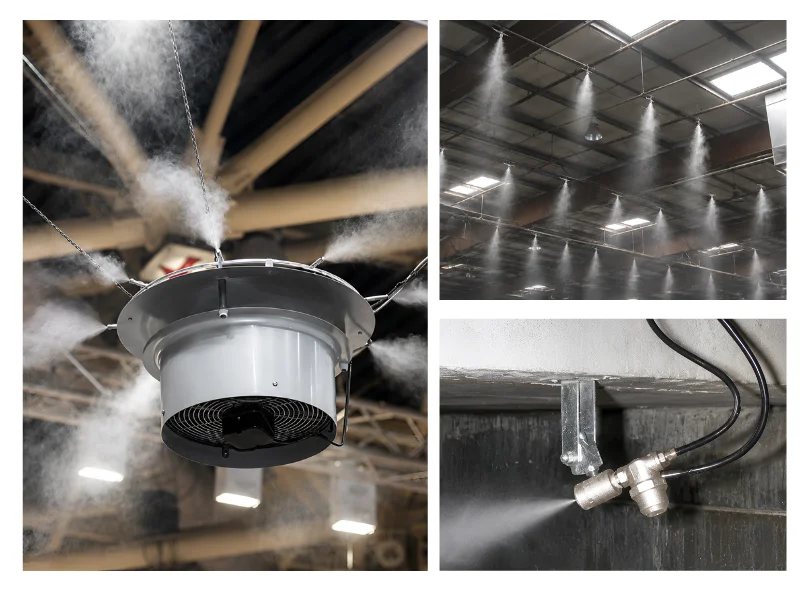
A humidification spray nozzle is a specially designed nozzle that atomizes water into a fine mist for air moisture control. Unlike general-purpose nozzles, it is selected based on droplet size, spray angle, operating pressure, flow rate, and evaporation performance so the system can raise humidity without causing unwanted wetting.
Why Nozzle Selection Matters in Humidification
Nozzle selection matters in humidification because the nozzle specification directly affects droplet formation, evaporation efficiency, and moisture distribution. Factors such as 0.2 mm orifice size, 30 to 50 micron droplet size, fine mist spray pattern, high-pressure operation, ceramic orifice, anti-drip function, and corrosion-resistant construction help determine how efficiently the nozzle performs in industrial humidification systems.
The right nozzle helps produce fine mist for better humidity control, reduces excess wetting, supports low water consumption, and improves long-term spraying reliability. Durable construction such as brass with chrome nickel plating and a ceramic orifice material also improves wear resistance and service life in continuous operation.
Types of Suitable Nozzles for Humidification
Not every nozzle is equally suitable for humidification. The best results usually come from nozzle types that produce finer droplets and support faster evaporation.
Dry Fog Nozzles
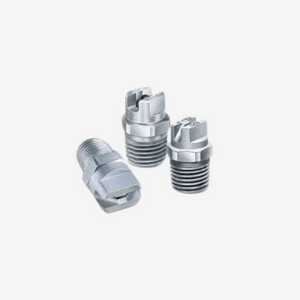
Dry fog nozzles produce ultra-fine droplets, typically below 20 microns, for fast evaporation and minimal wetting. They usually work with air-assisted atomization and are suitable for textile units, electronics areas, and controlled industrial spaces.
Ultrasonic Nozzles
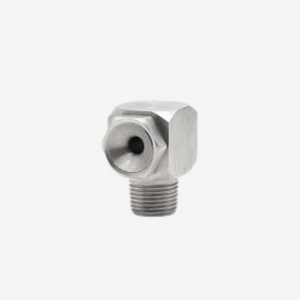
Ultrasonic nozzles generate very fine mist, typically around 5 to 15 microns, using high-frequency vibration technology. They are suitable for clean rooms, laboratories, and precision humidification applications where controlled moisture addition is required.
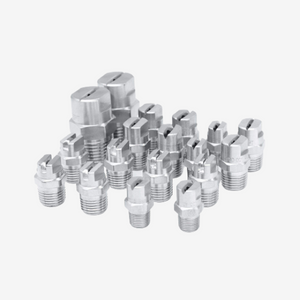
High-Pressure Misting Nozzles
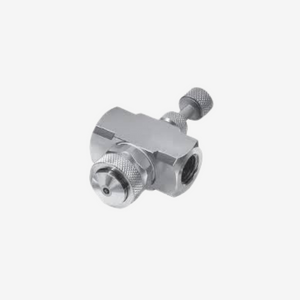
High-pressure misting nozzles produce fine droplets, typically around 10 to 40 microns, using hydraulic pressure for effective humidification. They are suitable for HVAC ducts, AHUs, warehouses, textile mills, greenhouses, and large industrial humidification systems.
Applications of Water Spray Nozzle for Humidification
Humidification nozzles are used in many industries and controlled environments where proper air moisture is essential, including:
Textile, spinning, and weaving mills
Packaging and storage facilities
Food processing environments
Paper and printing units
Greenhouses and nurseries
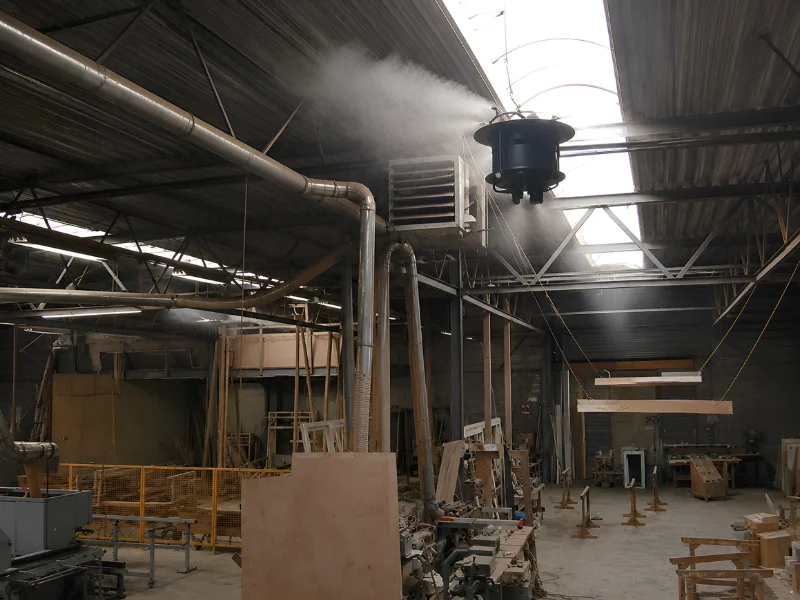
Warehouses and production halls
Wood and furniture manufacturing
Mushroom growing rooms
Hvac systems, ahus, and duct humidification
Electronics assembly areas
Poultry and livestock sheds
Benefits of Using the Right Humidification Nozzle
The correct nozzle improves the overall efficiency and reliability of the humidification system.
Produces fine droplets for faster evaporation
Supports uniform spray distribution across the area
Helps reduce over-wetting through better atomization
Improves moisture absorption by matching droplet size to the application
Supports efficient water flow and controlled spray output
Provides suitable spray angle for proper area coverage
Helps maintain consistent humidification performance
Reduces clogging issues when selected with proper filtration compatibility
Offers better durability in continuous industrial operation
Supports reliable performance under the required pressure range
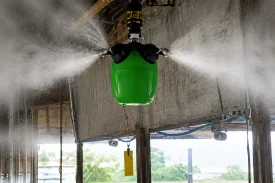
How to Select the Right Nozzle for Humidification
Selecting the right nozzle depends on the application area and operating conditions. Important factors include:
Required humidity level
Spray angle
Water quality
Area size and layout
Flow rate

Nozzle material
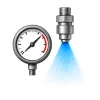
Operating pressure
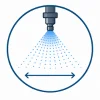
Evaporation distance
Clog resistance
Droplet size requirement

Airflow movement

Maintenance needs
For large open spaces, wider coverage and fast evaporation are important. For enclosed or process-controlled areas, fine droplet formation and precise moisture control matter more.
Why Choose Us for Humidification Nozzle Solutions?
We provide practical and application-based humidification nozzle solutions for industrial, agricultural, and commercial use. Our focus is on providing the right nozzle for your application needs based on humidity requirement, pressure availability, area coverage, and system performance.
Quality nozzle solutions for humidification systems
Durable materials such as brass and stainless steel
Support for standard and customized nozzle options
Application-based guidance for proper nozzle selection
Suitable options for industrial and process environments
Bulk supply support for project requirements
Timely delivery and dependable service support
FAQs - Spray Nozzle Used in Humidification Systems
Which nozzle is best for humidification?
The best nozzle depends on the required humidity level, operating pressure, droplet size, and installation area. In many applications, fine-droplet and high-pressure nozzles are preferred for better evaporation and moisture control.
Why is droplet size important in humidification?
Smaller droplets evaporate faster and improve moisture absorption in air, which helps increase humidity efficiently while reducing the chance of water settling on surfaces.
Where are humidification nozzles commonly used?
They are commonly used in textile mills, greenhouses, warehouses, paper units, poultry farms, electronics production areas, and HVAC humidification systems.
Can humidification nozzles reduce over-wetting?
Yes. When the correct nozzle is selected based on pressure, spray angle, and droplet size, it helps reduce over-wetting and supports more efficient air humidification.
Do you provide customized nozzle solutions for humidification ?
Yes. Nozzle selection and customization can be provided based on application type, flow requirement, pressure range, and installation conditions.