
Spray Nozzles For Odor Control
Spray nozzles for odor control are used to apply odor-treatment liquid in a controlled spray pattern so unpleasant smells can be managed more effectively in industrial, municipal, and commercial environments. They are commonly used in wastewater treatment plants, sludge handling areas, waste storage zones, composting sections, food processing units, chemical plants, and other places where odor can affect working conditions, nearby surroundings, and day-to-day operations.
A properly selected nozzle helps deliver balanced spray coverage, suitable droplet formation, and efficient liquid distribution across the required area. This is important because odor-control performance depends not only on the treatment solution, but also on how evenly and effectively that solution is applied.
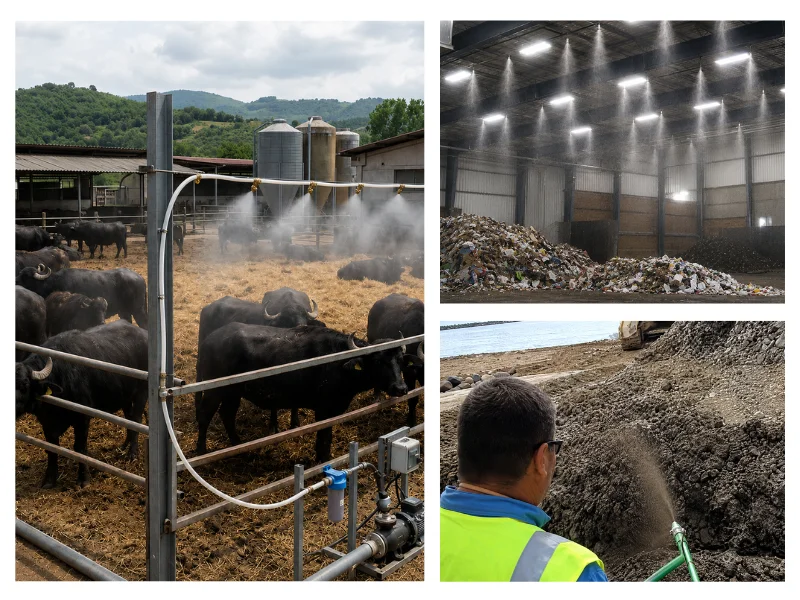
Why Choosing the Right Nozzle Matters
The right nozzle plays a major role in overall system performance. If the spray pattern is not suitable, the liquid may not reach the treatment zone properly. This can lead to uneven coverage, excess chemical use, over-wetting, and lower treatment efficiency. A well-matched nozzle helps improve spray consistency and makes the odor-control process more effective.
Proper nozzle selection also supports long-term system reliability. It helps maintain stable spray output, reduces unnecessary maintenance, and improves how the system performs under actual working conditions. When the nozzle matches the application correctly, odor control becomes more efficient and dependable.
Types of Nozzles Used for Odor Control
Different applications require different spray characteristics. The right nozzle type is usually selected based on droplet size, spray pattern, flow rate, and system requirement.
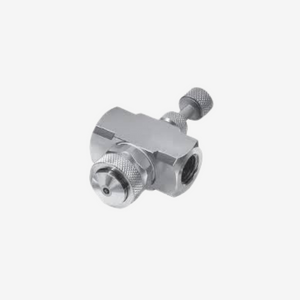
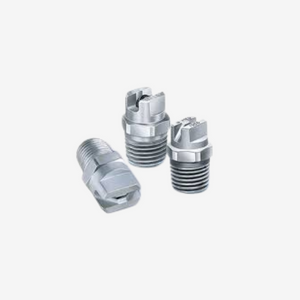
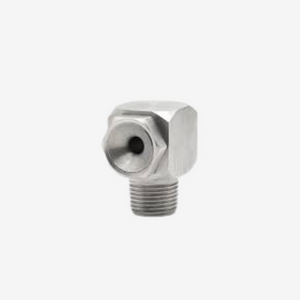
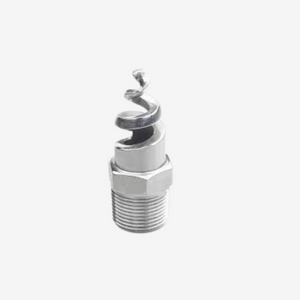
Full Cone and Spiral Nozzles
These nozzles provide fuller spray coverage for complete wetting and broader liquid distribution. Spiral/full cone designs are available in wide spray angles, commonly from 50° to 180°, with flow ranges that can extend from about 0.494 gpm to 3710 gpm depending on model size and application.
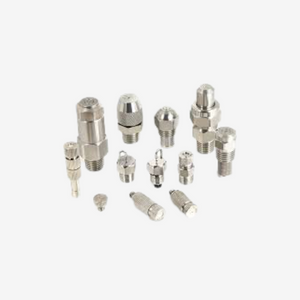
Misting or Fogging Nozzles
These nozzles are generally used in high-pressure systems to create fine fog-like spray for open-area odor suppression. Typical droplet sizes are often around 20 to 100 microns, depending on pressure and nozzle design, and they are selected where light application and fast evaporation are important.
Common Nozzle Applications For Odor Control
Odor control spray nozzles are used in a wide range of operating environments, including:
Wastewater treatment plants
Composting facilities
Rendering areas
Sewage handling areas
Refuse transfer stations
Industrial process zones
Sludge processing units
Food processing sections
Poultry and livestock farms
Solid waste storage zones
Chemical plants
Compost fertilizer production plant
Benefits of Using the Right Odor Control Nozzle
Selecting the right odor control nozzle plays a crucial role in achieving effective odor suppression while optimizing water and chemical usage. The correct nozzle ensures efficient atomization, uniform mist distribution, and consistent air treatment in industrial environments.
Highly effective odor and foul smell control
Produces fine mist for uniform and wide coverage
Reduces overall water consumption
Minimizes chemical usage and operating cost
Improves indoor and outdoor air quality in workplaces
Prevents over-wetting, dripping, and puddle formation
Energy-efficient and low-maintenance operation
Enhances nozzle durability and system lifespan
Suitable for a wide range of industrial odor control applications
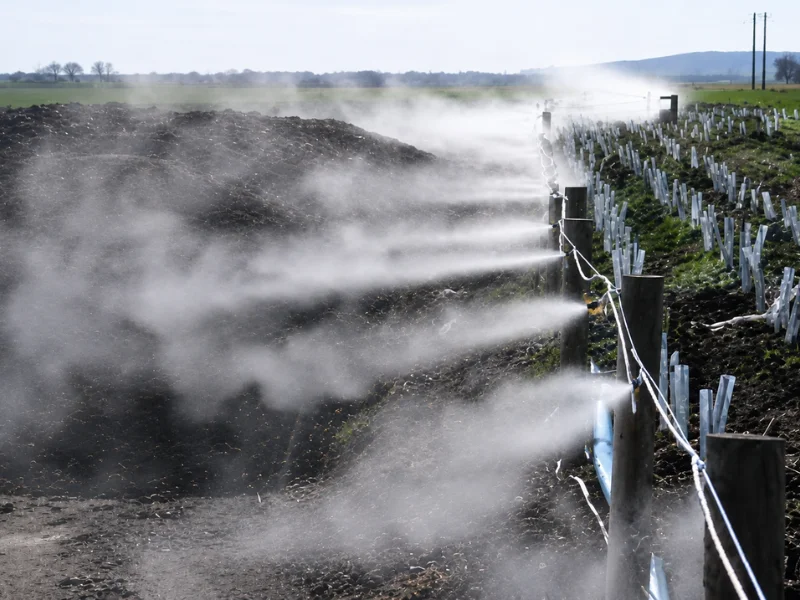
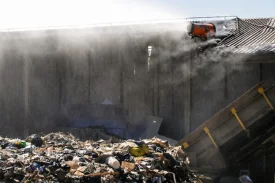
How to Choose the Right Spray Nozzle for Odor Control
Choosing the right nozzle requires attention to practical operating factors. Important points to consider include:
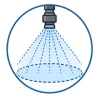
Spray Pattern
Choose a pattern that matches the treatment zone, such as wide coverage for open areas or targeted spray for specific odor points.

Chemical Compatibility
Check that the nozzle material is suitable for the odor-control chemical to avoid corrosion, wear, or reduced life.
Droplet Size
Select finer droplets for better airborne distribution and lighter application, or larger droplets where more direct wetting is needed.
Flow Rate
Pick a flow rate that provides enough liquid for treatment without causing overuse or excessive wetting.

Site Conditions
Consider dust, moisture, temperature, and operating environment because these can affect nozzle performance and durability.
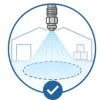
Coverage Area
Match the nozzle capacity and spray angle with the size of the area that needs odor treatment
Operating Pressure
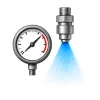
Make sure the nozzle is designed for the actual system pressure to maintain stable spray quality and output.
Why Choose Us for Odor Control Nozzle Solutions
We supply odor-control nozzle solutions designed for practical industrial and environmental applications. Our focus is on helping customers choose the right nozzle based on spray requirement, operating condition, and site application.
High Quality Products
Our odor control nozzles are selected for consistent spray performance, reliable operation, and effective liquid distribution.
Durable Material Options
We offer nozzle solutions in suitable materials for better strength, corrosion resistance, and long-term performance in demanding conditions.
Customization Support
We provide customization based on spray pattern, flow rate, application type, and installation requirements to match specific system needs.
Bulk Order Supply
We support bulk quantity requirements for industrial plants, contractors, project installations, and regular supply demands.
On-Time Delivery
We ensure timely delivery support to help customers maintain project schedules and uninterrupted operations.
Supply All Over India
We provide odor control nozzle solutions across India, serving different industries, cities, and project locations.
FAQ - Misting Nozzles for Odor Control
Which nozzle is commonly used for odor control?
Misting nozzles and air atomizing nozzles are commonly used in open odor-control applications because their fine droplets improve surface area and dispersion, while scrubber systems often use full-coverage or axial-whirl style nozzles for even liquid distribution.
Are misting nozzles good for odor control?
Yes. Open-source manufacturer guidance notes that misting nozzles can be effective for odor control because they produce fine atomization and consistent patterns at low flow rates.
What is the difference between misting and air atomizing nozzles?
Misting nozzles are direct-pressure nozzles that create very fine sprays at low flow, while air atomizing nozzles use compressed air with liquid to produce even finer atomization and more controlled mist formation.
Why is droplet size important in odor control?
Droplet size affects surface area, coverage, and how well the treatment liquid contacts the odor stream. Fine droplets generally increase contact area, which can improve absorption or reaction.
Why is spray pattern important when selecting an odor control nozzle?
Spray pattern determines how the liquid is distributed over the treatment zone. Open-source nozzle selection guides identify spray pattern, flow rate, and droplet size as critical factors for matching the nozzle to the application.
What nozzle is used in scrubber systems for odor control?
In packed-bed scrubber systems, full-coverage or axial-whirl style nozzles are commonly recommended to distribute liquid evenly over the packing surface and help prevent gas bypass.
Can odor control nozzles help reduce chemical wastage?
Yes. Proper nozzle selection can improve spray efficiency and liquid distribution, which helps the system use treatment liquid more effectively.
Do odor control nozzles require maintenance?
Yes. Open-source industrial spray guidance notes that nozzle quality and condition affect efficiency, consistency, downtime, and waste, so inspection and maintenance matter for long-term performance.