
Spray Nozzles for Steel Industry
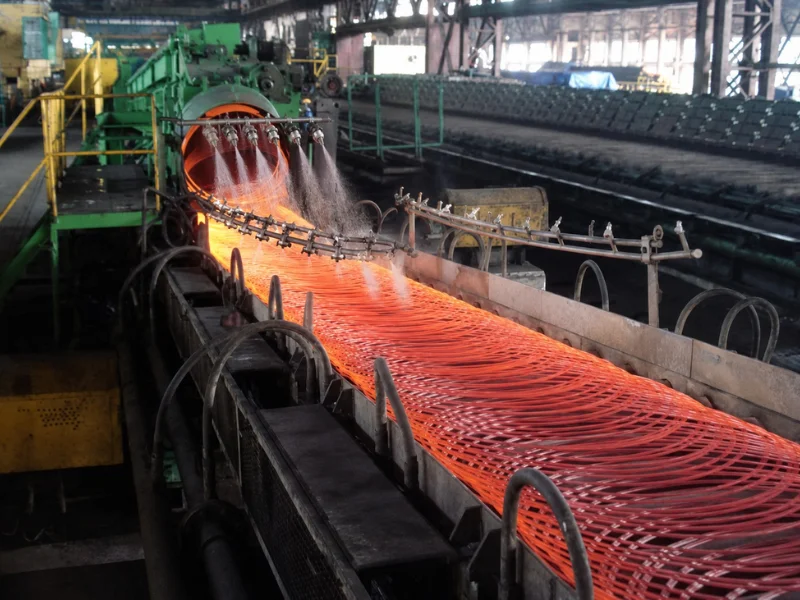
Steel plants depend on efficient spray systems for several critical operations such as cooling, descaling, cleaning, rinsing, and dust suppression. The right spray nozzle helps maintain production stability, protect equipment, and improve process performance in high-temperature industrial environments.
We supply spray nozzles for steel industry applications designed for different stages of steel production. From rolling mills and continuous casting lines to material handling and plant cleaning systems, our nozzle solutions are selected to deliver reliable spray performance, proper liquid distribution, and long service life.
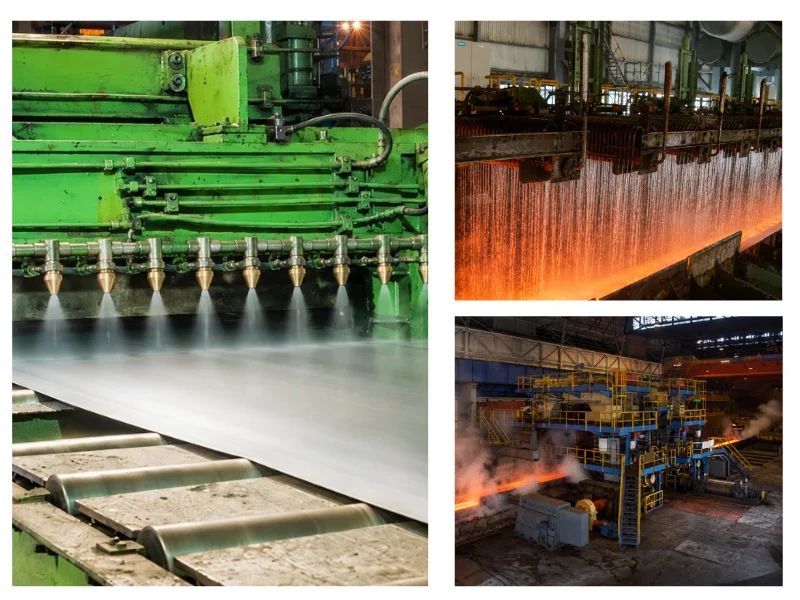
Importance of Spray Nozzles in Steel Plants
In steel manufacturing, spray nozzles are used for much more than water application. Their nozzle duties include heat control, scale removal, machine protection, surface cleaning, dust suppression, gas cooling, and environmental management throughout the production process. The correct nozzle selection helps maintain process efficiency while reducing excess water use and uneven spray coverage.
A poorly matched nozzle can lead to inefficient cooling, incomplete descaling, higher maintenance, and inconsistent plant operation. For this reason, steel plants require nozzle solutions that are durable, application-focused, and suitable for demanding working conditions.
Nozzle Types Used in Steel Plant Processes
Different spray nozzle types are used in steel plants depending on the process demand and required spray performance.
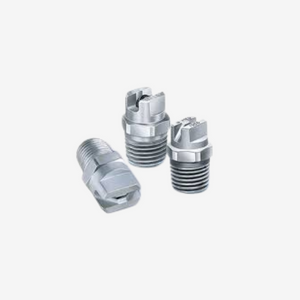
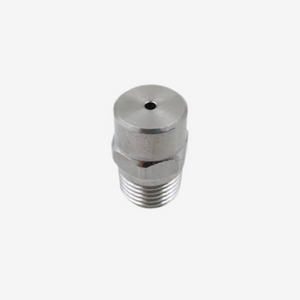
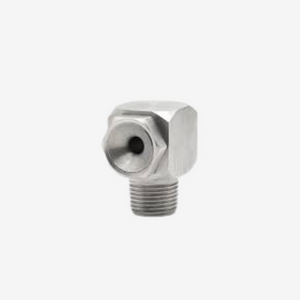
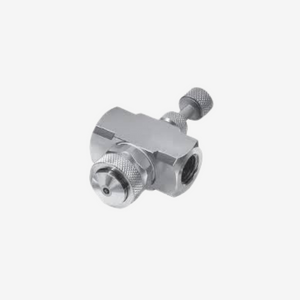
Features of Our Spray Nozzles for Iron and Steel Plants
Suitable for cooling, descaling, cleaning, and dust suppression
Available in flat fan, full cone, hollow cone, and atomizing designs
Durable construction for longer operating life
Designed for reliable spray distribution
Available in different spray angles and flow capacities
Designed for reliable spray distribution
Suitable for process-based nozzle selection
Easy to install in existing systems
Applications of Spray Nozzles in Steel Industry
Spray nozzles are used in different process areas across steel plants, and each application requires the right spray pattern, pressure, and flow rate.
Descaling
Dust Suppression
Continuous Casting Cooling
Washing and Rinsing
Roll Cooling
Gas Cooling
Strip Cooling
Lubrication and Coating
Quenching
Environmental Control
Benefits of Proper Nozzle Selection in Steel Industry
Improves descaling performance
Supports uniform cooling
Helps reduce water wastage
Improves cleaning efficiency
Supports effective dust control
Reduces downtime and maintenance
Protects equipment from process-related damage
Supports consistent plant performance
Choosing the Right Spray Nozzle for Steel Industry Applications
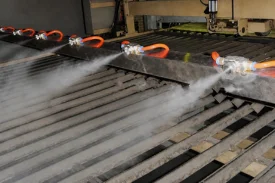
Nozzle selection should always be based on the specific process requirement. Descaling applications need strong impact, cooling systems need even distribution, and dust suppression applications often require finer droplets with wider coverage. Important selection factors include:
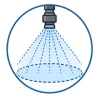
Spray pattern

Material of construction
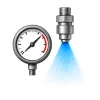
Operating pressure
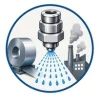
Operating environment
Flow rate

Droplet size
Why Choose Us for Steel Industry Spray Nozzles
We supply application-specific spray nozzle solutions for steel plants based on actual operating requirements. Our focus is on helping customers choose the right nozzle for each process rather than offering a one-type solution for all applications.
High-quality spray nozzles for reliable industrial performance
Durable materials suitable for demanding steel plant conditions
Customization options based on application and process requirements
Support for bulk orders with consistent product quality
On-time delivery for smooth plant operations
Supply available all over India
FAQs - spray nozzle for Iron Industry
What is the best nozzle type for descaling?
Flat fan nozzles are commonly preferred for descaling because they provide a concentrated, high-impact spray pattern that helps remove scale effectively from hot steel surfaces during rolling.
What nozzle material is best for high-temperature steel applications?
For high-temperature and high-wear steel applications, materials such as hardened stainless steel, tungsten carbide, and ceramic are commonly used because they offer better resistance to heat, abrasion, and wear.
How does pressure affect nozzle performance in steel mills?
Pressure has a direct effect on spray performance. Higher pressure generally increases spray impact, improves cleaning force, and changes droplet formation, but it can also increase nozzle wear over time if the material is not suitable for the application.
How does pressure affect nozzle performance in steel mills?
Pressure has a direct effect on spray performance. Higher pressure generally increases spray impact, improves cleaning force, and changes droplet formation, but it can also increase nozzle wear over time if the material is not suitable for the application.
Why do spray nozzles get clogged, and how can I prevent it?
Spray nozzles can clog due to debris, scale particles, rust, or contaminants in the water or fluid systemin Steel plant. Proper filtration, regular inspection, and clean operating conditions help reduce the risk of clogging.
How often should I clean the nozzles?
Nozzles should be cleaned regularly based on the operating environment and water quality. Cleaning frequency depends on the application, but routine inspection is important to maintain proper spray performance and prevent blockage.
What is the correct way to clean a spray nozzle?
Spray nozzles should be cleaned carefully using soft tools such as plastic bristle brushes or approved cleaning methods like ultrasonic cleaning. Hard metal tools should be avoided because they can damage the nozzle orifice and affect spray performance.
When should I replace my spray nozzles?
Spray nozzles should be replaced when there are signs of wear such as visible damage, pitting, uneven spray pattern, reduced impact, or increased flow rate. A worn nozzle can reduce spray efficiency and affect process performance.
Are spray nozzles used for cooling applications in chemical plants?
Worn nozzles can lead to poor descaling, uneven cooling, excess water use, reduced cleaning efficiency, and inconsistent process results. Timely replacement helps maintain reliable plant performance.