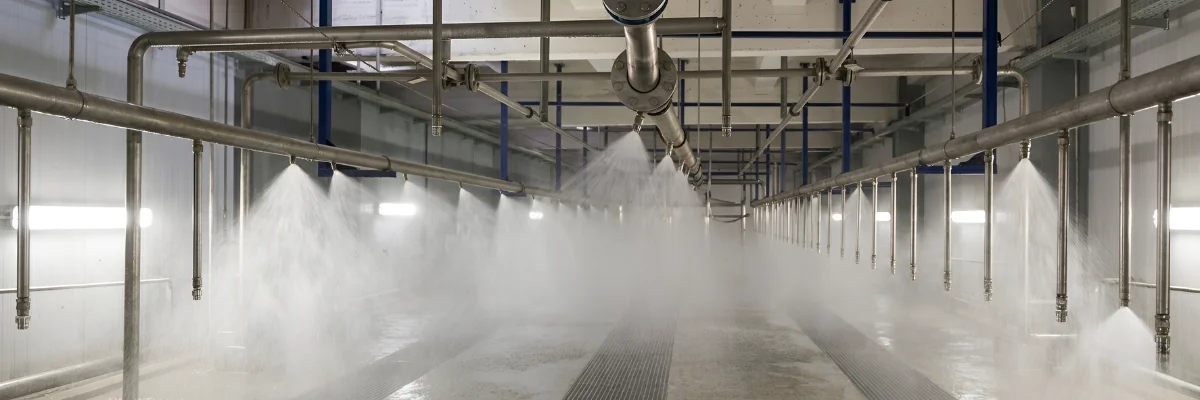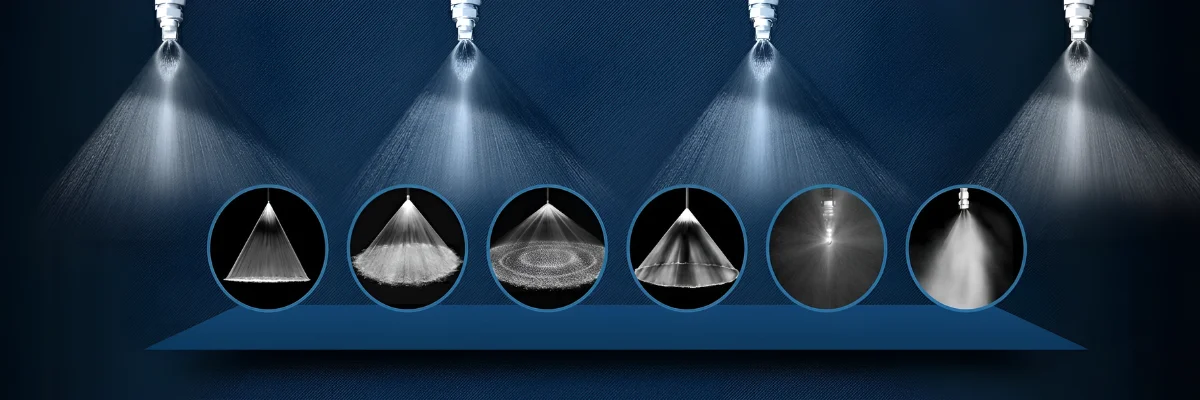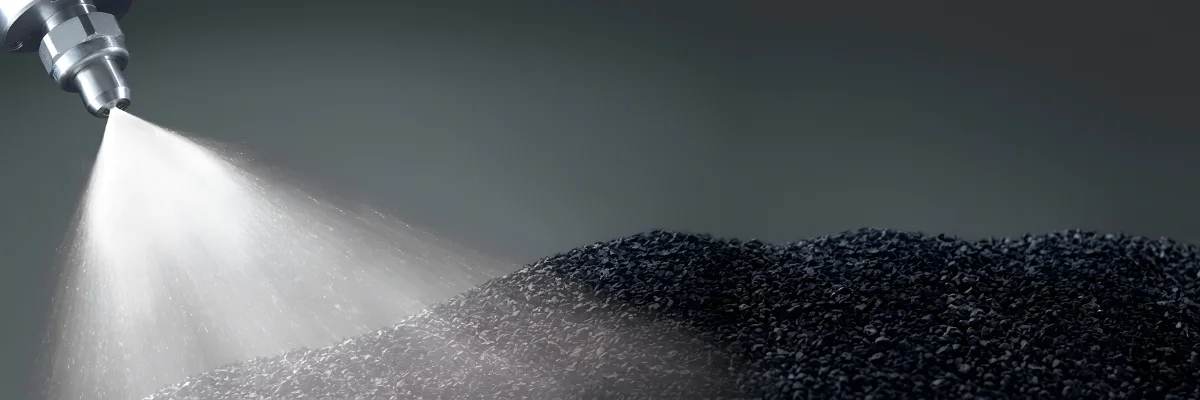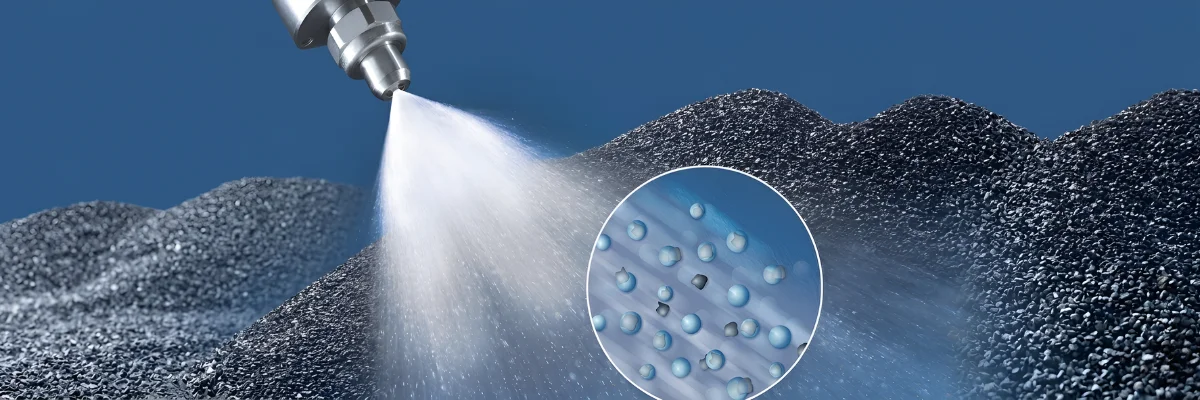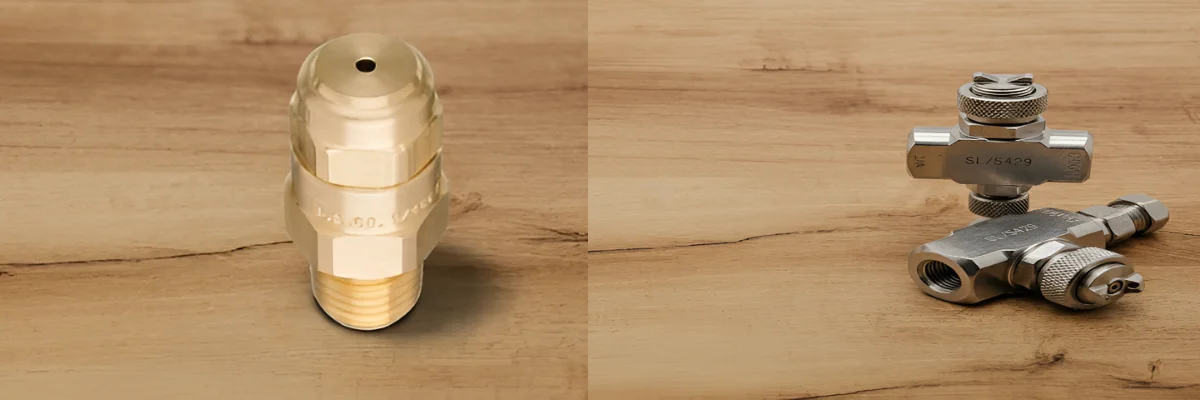
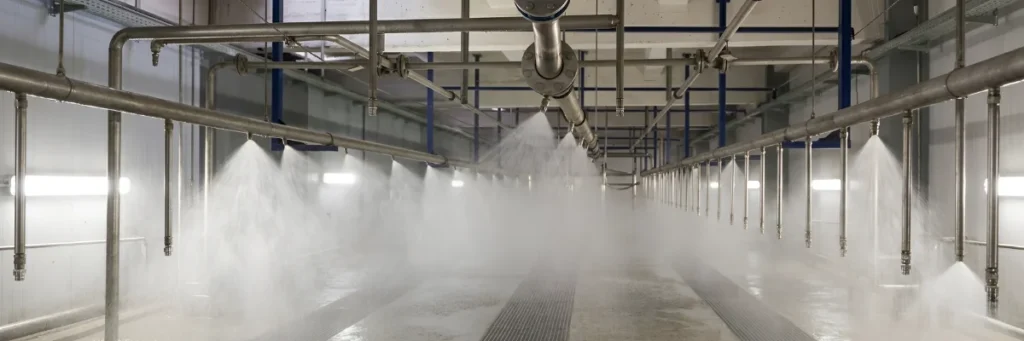
Spray nozzles are used in industrial systems for washing, cooling, dust suppression, misting, humidification, chemical spraying, tank cleaning, and process applications.
When a spray nozzle becomes blocked, the system may not perform properly. A blocked nozzle can reduce spray coverage, change the spray pattern, lower flow rate, increase pressure imbalance, and reduce cleaning or dust suppression performance.
Many nozzle problems are caused by dirt, rust, scale, hard water deposits, chemical crystallization, poor filtration, or improper maintenance.
This guide explains how to clean blocked spray nozzles safely and how to prevent nozzle blockage in industrial spray systems.
Common Causes of Spray Nozzle Blockage
Spray nozzles can become blocked due to many reasons.
1. Poor Water Quality
Water containing sand, dust, mud, rust, suspended solids, or algae can block the nozzle opening.
This is common in dust suppression systems, outdoor spray systems, recycled water systems, and borewell water applications.
2. Wrong Filtration
If the filter mesh is too coarse, small particles can pass through and block the nozzle.
If the filter is too fine and not cleaned regularly, it can choke and reduce flow.
3. Rust and Pipeline Dirt
Old pipelines, mild steel headers, welding particles, thread tape, and pipe debris can enter the nozzle and cause blockage.
4. Hard Water Scale
Hard water contains minerals such as calcium and magnesium. These minerals can form white scale deposits around the nozzle tip and inside the orifice.
5. Chemical Deposits
Some chemicals can crystallize or settle inside the nozzle after operation. This is common in chemical spraying, fertilizer spraying, coating, scrubbing, and process spraying systems.
6. Biological Growth
Algae, slime, and biological growth can form in tanks and pipelines when water remains stagnant for a long time.
7. Small Orifice Size
Fine mist nozzles, fog nozzles, and low-flow nozzles have small openings. They clog faster if water is not clean.
Safety Precautions Before Cleaning Spray Nozzles
Before cleaning a blocked spray nozzle, follow basic safety steps.
- Switch off the pump or pressure line.
- Release pressure from the system.
- Wear gloves and eye protection.
- Check if the liquid is water, chemical, acid, alkali, or hot liquid.
- Follow chemical safety instructions if chemicals are used.
- Do not remove nozzles from a pressurized line.
- Keep removed nozzles in a clean container.
- Do not mix different nozzles if they are from different positions.
Safety is important, especially in chemical spraying, high-pressure washing, and hot water systems.
Step-by-Step Guide to Clean Blocked Spray Nozzles
Step 1: Switch Off the System
First, stop the pump and close the liquid supply.
Make sure there is no pressure in the pipeline before removing the nozzle.
This prevents accidental spraying, injury, or chemical exposure.
Step 2: Remove the Nozzle Carefully
Remove the blocked nozzle from the holder, pipe, or spray header.
Use the correct spanner or tool if required. Do not apply excessive force because threads may get damaged.
If the nozzle has a strainer or filter screen, remove it carefully and inspect it separately.
Step 3: Inspect the Nozzle
Check the nozzle visually before cleaning.
Look for:
- Dirt or particles inside the orifice
- Scale deposits around the tip
- Rust particles
- Chemical crystals
- Damaged threads
- Worn nozzle tip
- Cracks or corrosion
- Blocked strainer
This helps you understand whether the nozzle needs cleaning or replacement.
Step 4: Soak the Nozzle
Place the nozzle in clean water or an approved cleaning solution.
For normal dirt, clean water may be enough.
For hard water scale, a suitable descaling solution may be required.
For chemical deposits, use a cleaning solution that is compatible with the nozzle material and chemical residue.
Do not use strong acids or harsh chemicals unless they are safe for the nozzle material.
Step 5: Clean with a Soft Brush
After soaking, clean the nozzle gently with a soft brush.
Remove dirt, scale, or deposits from the tip, strainer, and passage.
Do not use hard wire, pins, nails, blades, or sharp metal tools. These can damage the nozzle orifice and change the spray pattern.
Even a small scratch inside the orifice can affect nozzle performance.
Step 6: Flush the Nozzle with Clean Water
After brushing, flush the nozzle with clean water.
Make sure water passes freely through the nozzle orifice and internal passage.
Also clean and flush the strainer if the nozzle has one.
Step 7: Flush the Pipeline Before Reinstalling
Before reinstalling the cleaned nozzle, flush the pipeline or spray header.
This step is important because dirt, rust, and loose particles may still be inside the pipe.
If the pipe is not flushed, the cleaned nozzle may block again quickly.
Step 8: Reinstall the Nozzle Correctly
Install the nozzle back in the correct position.
Make sure the nozzle is aligned properly according to the required spray direction.
Avoid using excess thread tape or sealant because it can enter the nozzle and cause blockage.
Do not overtighten the nozzle.
Step 9: Test the Spray Pattern
Start the system and check the spray pattern.
The nozzle should produce the correct spray shape, angle, and flow.
If the spray pattern is still distorted after cleaning, the nozzle may be damaged or worn and should be replaced.
Cleaning Method Based on Blockage Type
| Blockage Type | Common Cause | Cleaning Method |
|---|---|---|
| Dirt or sand | Poor water quality | Flush with clean water and use soft brush |
| Rust particles | Old pipeline or tank | Clean nozzle and flush pipeline |
| Hard water scale | Calcium and magnesium deposits | Soak in approved descaling solution |
| Chemical crystals | Chemical residue after shutdown | Use compatible cleaning solution |
| Algae or slime | Stagnant water | Clean tank, pipeline, and nozzle |
| Blocked strainer | Dirty water or poor filtration | Remove, clean, and flush strainer |
| Repeated blockage | Wrong filtration or dirty water | Improve filter and water treatment |
What Not to Do While Cleaning Spray Nozzles
Avoid these common mistakes:
- Do not clean the nozzle with a pin or wire.
- Do not use nails, blades, or sharp tools.
- Do not hammer the nozzle.
- Do not remove the nozzle under pressure.
- Do not use strong chemicals without checking compatibility.
- Do not overtighten during reinstallation.
- Do not ignore pipeline flushing.
- Do not reuse damaged or worn nozzles.
- Do not mix nozzle sizes during maintenance.
- Do not ignore filter cleaning.
Improper cleaning can permanently damage the nozzle and reduce spray performance.
When Should You Replace a Blocked Spray Nozzle?
Cleaning is not always enough. Sometimes replacement is the better option.
Replace the nozzle if:
- Spray pattern remains distorted after cleaning
- Orifice is damaged or enlarged
- Nozzle tip is worn
- Threads are damaged
- Nozzle body is cracked
- Corrosion is visible
- Flow rate is higher or lower than expected
- Nozzle clogs repeatedly
- Cleaning does not restore performance
- Process quality is affected
A damaged nozzle can waste water or chemical even if it looks acceptable from outside.
How to Prevent Spray Nozzle Blockage
Cleaning blocked nozzles is important, but prevention is better.
1. Use Proper Filtration
Install suitable filters or strainers before nozzle lines.
The filter mesh should be selected based on nozzle orifice size, water quality, and application.
Fine mist and fog nozzles need better filtration because their openings are smaller.
2. Flush Pipelines Regularly
Flush pipelines before installing nozzles and after maintenance work.
This removes rust, welding particles, thread tape, and dirt from the line.
3. Check Water Quality
Test water for suspended solids, hardness, scale, oil, sludge, and chemical contamination.
If water quality is poor, use filtration, settling tanks, or water treatment.
4. Clean Filters and Strainers
A clogged filter can reduce flow and pressure.
Clean filters regularly to maintain proper spray performance.
5. Avoid Stagnant Water
Do not allow water to remain stagnant in tanks or pipelines for long periods.
Cover tanks and clean them periodically to avoid algae and biological growth.
6. Flush Chemical Lines After Use
In chemical spraying systems, flush the pipeline and nozzle after operation.
This prevents crystallization, deposits, and chemical blockage.
7. Select the Right Nozzle Orifice Size
Do not use very small orifice nozzles with dirty water.
If water contains particles, use a larger passage nozzle or improve filtration.
8. Maintain a Cleaning Schedule
Inspect spray nozzles regularly.
Check spray pattern, flow rate, pressure, and nozzle condition.
A regular maintenance schedule reduces unexpected blockage and downtime.
Application-Wise Cleaning Tips
| Application | Common Blockage Risk | Cleaning Tip |
|---|---|---|
| Dust suppression | Dirty water, rust, suspended solids | Use filters and flush lines regularly |
| Misting | Hard water scale, small orifice blockage | Use clean water and descaling method |
| Chemical spraying | Chemical crystals and corrosion | Flush after use and check material compatibility |
| Washing systems | Dirt, rust, and scale | Clean strainers and inspect spray pattern |
| Cooling systems | Scale and biological growth | Treat water and clean tanks |
| Recycled water systems | Sludge, oil, and solids | Use settling tank and filtration |
| Gas scrubbing | Chemical deposits and solids | Use compatible material and regular flushing |
Benefits of Cleaning Spray Nozzles Properly
Proper cleaning and maintenance of spray nozzles gives many benefits:
- Restores correct spray pattern
- Improves spray coverage
- Reduces water wastage
- Improves washing and cleaning performance
- Improves dust suppression efficiency
- Prevents uneven chemical distribution
- Reduces downtime
- Increases nozzle life
- Reduces maintenance cost
- Improves process consistency
- Protects pumps and pipelines from pressure imbalance
A clean nozzle helps the complete spray system work more efficiently.
FAQs – Blocked Spray Nozzles
1. Why do spray nozzles get blocked?
Spray nozzles get blocked due to dirt, sand, rust, hard water scale, chemical deposits, biological growth, poor filtration, small orifice size, or pipeline contamination.
2. How do I clean a blocked spray nozzle?
First switch off the pump and release line pressure. Remove the nozzle, inspect the orifice and strainer, soak it in clean water or a suitable cleaning solution, clean it with a soft brush, flush it with clean water, reinstall it properly, and test the spray pattern.
3. Can I clean a spray nozzle with a pin or wire?
No. Do not use pins, wires, nails, blades, or sharp tools. These can damage the nozzle orifice and permanently change the spray pattern. Use a soft brush and suitable cleaning solution instead.
4. What is the safest way to clean industrial spray nozzles?
The safest method is to stop the system, release pressure, wear gloves and eye protection, remove the nozzle carefully, check the liquid type, clean with a compatible solution, and avoid sharp tools.
5. Why does my spray nozzle spray unevenly?
Uneven spray may happen due to partial blockage, hard water scale, rust particles, worn nozzle tip, wrong pressure, damaged orifice, or incorrect nozzle alignment.
6. What causes mist nozzles to clog frequently?
Mist nozzles usually have small orifices. They clog faster when water contains sand, rust, scale, minerals, algae, sludge, or suspended solids.
7. How do I prevent mist nozzle clogging?
Use clean water, proper filtration, regular filter cleaning, pipeline flushing, and suitable water treatment if the water is hard or contains minerals.
8. Can hard water block spray nozzles?
Yes. Hard water can form calcium and magnesium scale deposits around the nozzle tip and inside the orifice, especially in misting, humidification, and cooling systems.
9. How do I remove scale from a spray nozzle?
Soak the nozzle in an approved descaling solution that is compatible with the nozzle material. Then clean it gently with a soft brush and flush it with clean water.
10. What causes chemical spray nozzles to block?
Chemical spray nozzles can block due to crystallization, chemical deposits, reaction residue, poor flushing after use, wrong concentration, or incompatible nozzle material.